
1450 Twin Lakes Ave Suite 101 Bozeman, MT 59718

(406) 944-9444

Stone Dental Lodge
  • About
    • Meet Our Team
    • Blog
  • Services
    • Cosmetic Dentistry
      • Dental Veneers
      • Dental Crowns
      • Teeth Whitening
      • Cosmetic Tooth Bonding
    • Restorative Dentistry
      • Dental Bridges
      • TMJ Treatment
      • Mouth Guards
    • Emergency Dentistry
    • Family Dentistry
    • Dental Cleaning And Exams
    • Tooth Extractions
    • Dental Sealants
    • Dentures
    • Digital X-Rays
    • Aligners
    • Root Canal Therapy
    • Tooth Fillings
    • Periodontal Gum Disease
    • Sleep Apnea
  • Financing
  • Insurance Info
    • Lodge Membership Plan
  • Smile Gallery
Contact us
Book online
  • TMJ Pain Relief Without Surgery: Effective Non-Invasive Solutions

    TMJ Pain Relief Without Surgery: Effective Non-Invasive Solutions

    Are you seeking TMJ pain relief without surgery? Discover how various non-invasive solutions can effectively alleviate discomfort and improve your quality of life, offering hope for those dealing with this common condition.

    TMJ Pain Relief Without Surgery

    Understanding TMJ Disorder Basics

    Temporomandibular Joint (TMJ) disorder is a condition that affects the jaw joint and surrounding muscles, leading to discomfort and pain. Understanding the basics of TMJ disorder is crucial for those seeking TMJ pain relief without surgery. The disorder can manifest through various symptoms, including jaw pain, difficulty chewing, and a clicking sound when opening or closing the mouth. These symptoms can significantly impact daily life, making it essential to explore non-invasive solutions for relief.

    The causes of TMJ disorder can be multifaceted, ranging from stress-related habits like teeth grinding to physical injuries affecting the jaw. Identifying these underlying factors is a key step in managing the condition effectively. For those interested in exploring alternative approaches, there are numerous options available that focus on alleviating symptoms without surgical intervention. To learn more about these approaches, consider exploring Holistic TMJ Treatment Methods to Restore Jaw Function Naturally.

    Exploring Non-Invasive Therapies

    When it comes to TMJ pain relief without surgery, exploring non-invasive therapies can be a beneficial approach for many individuals. These therapies focus on addressing the underlying causes of jaw discomfort and aim to alleviate symptoms through gentle, non-surgical methods. By targeting muscle tension and improving joint function, non-invasive treatments can help reduce pain and improve overall jaw mobility. This approach often involves a combination of techniques that work together to provide relief and promote healing.

    Understanding the various options available for TMJ pain relief without surgery can empower individuals to make informed decisions about their health. Non-invasive therapies offer a range of possibilities that can be tailored to meet individual needs, providing a personalized path to comfort and recovery. For those seeking professional guidance, exploring Bozeman Jaw Pain Solutions can be a valuable step in finding effective, non-surgical relief.

    Role of Physical Therapy

    Physical therapy plays a significant role in achieving TMJ pain relief without surgery by focusing on improving jaw function and reducing discomfort. Through targeted exercises and manual techniques, physical therapy aims to enhance the mobility and strength of the jaw muscles, which can alleviate tension and pain associated with temporomandibular joint disorders. By addressing muscle imbalances and promoting proper alignment, physical therapy can contribute to a more balanced jaw function, potentially reducing the frequency and intensity of TMJ-related symptoms. This non-invasive approach is often considered a valuable component in managing TMJ pain, offering individuals a pathway to relief without the need for surgical intervention.

    Benefits of Stress Management

    Managing stress effectively can play a significant role in TMJ pain relief without surgery. Stress often leads to muscle tension, which can exacerbate the discomfort associated with temporomandibular joint disorders. By reducing stress, individuals may experience a decrease in muscle tension, potentially alleviating some of the pain and discomfort linked to TMJ issues. This holistic approach not only contributes to overall well-being but also supports the body’s natural ability to manage pain. For those seeking more information on TMJ pain relief, Stone Dental Lodge, a trusted Bozeman Dentist, offers valuable insights into non-invasive solutions.

    Importance of Jaw Exercises

    Jaw exercises play a crucial role in managing TMJ pain by promoting flexibility and strength in the jaw muscles. Regularly engaging in these exercises can help alleviate tension and improve the overall function of the temporomandibular joint. By focusing on controlled movements, individuals may experience a reduction in discomfort and an enhancement in jaw mobility. These exercises are designed to support the natural healing process of the jaw, potentially leading to long-term relief from TMJ-related issues. Incorporating jaw exercises into a daily routine can be a beneficial approach to addressing TMJ pain without the need for surgical intervention.

    Dietary Considerations for TMJ

    When exploring TMJ pain relief without surgery, it’s important to consider how dietary choices can impact jaw health. Certain foods may exacerbate discomfort, while others might contribute to overall joint well-being. A balanced diet that minimizes strain on the jaw can be a crucial component in managing TMJ symptoms. By being mindful of what you consume, you can potentially reduce inflammation and support the muscles and joints involved in TMJ function. Understanding the relationship between diet and TMJ can be a valuable aspect of a comprehensive approach to non-invasive pain management.

    Heat and Cold Applications

    Exploring TMJ pain relief without surgery often leads individuals to consider the benefits of heat and cold applications. These methods are widely recognized for their potential to alleviate discomfort associated with temporomandibular joint disorders. Applying heat can help relax the muscles around the jaw, potentially reducing stiffness and promoting a sense of ease. Conversely, cold applications may assist in numbing sharp pain and decreasing inflammation, offering a soothing effect. By alternating between these two approaches, individuals may find a balanced method to address TMJ pain relief without surgery, contributing to overall comfort and well-being.

    Mindfulness and Relaxation Techniques

    Exploring mindfulness and relaxation techniques can be a beneficial approach for those seeking TMJ pain relief without surgery. These practices focus on reducing stress and promoting a sense of calm, which may help alleviate tension in the jaw muscles. By incorporating mindfulness into daily routines, individuals may experience a decrease in the frequency and intensity of TMJ discomfort. Relaxation techniques, such as deep breathing and meditation, can further support this process by encouraging the body to release built-up tension, potentially leading to a more comfortable and pain-free experience.

    Sleep Position and TMJ Relief

    Exploring TMJ pain relief without surgery often leads to the consideration of sleep position as a potential factor in alleviating discomfort. The way one positions their head and jaw during sleep can influence the pressure exerted on the temporomandibular joint, potentially impacting the severity of TMJ symptoms. While individual experiences may vary, understanding the relationship between sleep posture and TMJ relief can be an important aspect of managing jaw pain. By being mindful of how sleep position affects the jaw, individuals may find a non-invasive path to easing TMJ discomfort.

    Conclusion

    Discovering TMJ pain relief without surgery can significantly improve your quality of life. For more information, call (406) 629-2101 or check out our Google Maps reviews.
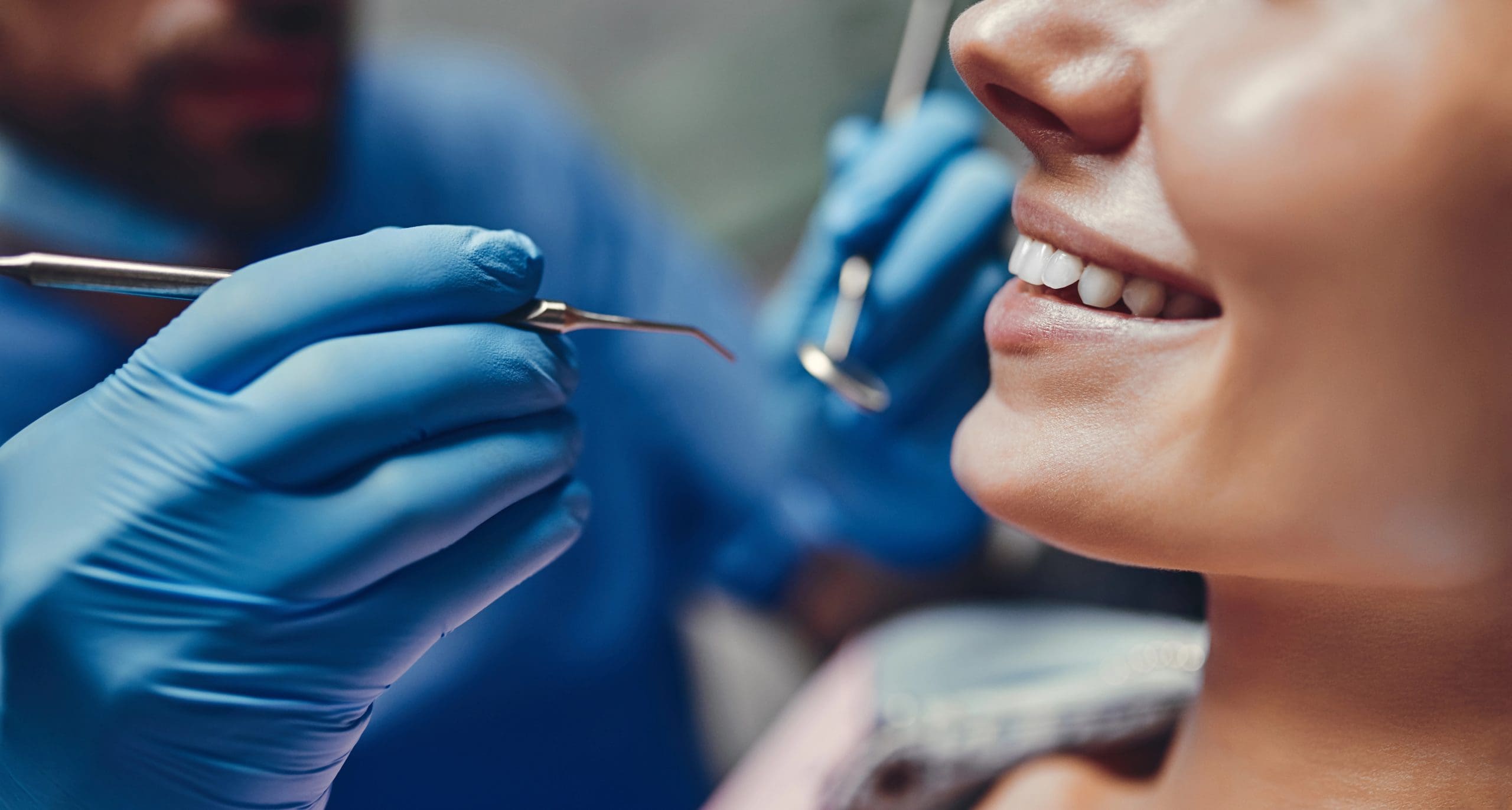
    Stone Dental Lodge

    January 12, 2025
  • Holistic TMJ Treatment Methods to Restore Jaw Function Naturally

    Holistic TMJ Treatment Methods to Restore Jaw Function Naturally

    Are you curious about how holistic TMJ treatment methods can restore jaw function naturally? By focusing on the body’s overall balance and well-being, these methods aim to alleviate discomfort and improve jaw mobility through natural, integrative approaches. Emphasizing a comprehensive understanding of the body’s interconnected systems, holistic treatments seek to address the root causes of TMJ issues.

    Holistic TMJ Treatment Methods

    Understanding the intricate relationship between the temporomandibular joint (TMJ) and jaw anatomy is crucial for those exploring holistic TMJ treatment methods. The TMJ is a complex hinge connecting the jawbone to the skull, allowing for essential movements such as talking, chewing, and yawning. This joint is supported by muscles, ligaments, and bones that work in harmony to facilitate smooth motion. When any component of this system is disrupted, it can lead to discomfort and dysfunction, often manifesting as pain or restricted movement.

    A comprehensive understanding of jaw anatomy can illuminate the potential causes of TMJ disorders and guide the exploration of holistic TMJ treatment methods. By recognizing how the muscles and joints interact, individuals can better appreciate the importance of maintaining balance within this system. For those interested in alternative approaches, exploring the TMJ Acupuncture Benefits: How It Helps Relieve Jaw Tension can provide insights into how acupuncture may support jaw health and alleviate tension.

    Role of Nutrition in Jaw Health

    Nutrition plays a crucial role in maintaining and restoring jaw function, especially when considering holistic TMJ treatment methods. A balanced diet rich in essential nutrients can support the health of the temporomandibular joint (TMJ) by promoting tissue repair and reducing inflammation. Consuming a variety of vitamins and minerals helps ensure that the jaw muscles and joints receive the necessary components to function optimally. This natural approach to jaw health emphasizes the importance of whole foods and nutrient-dense meals in supporting overall well-being.

    Incorporating a nutritious diet into your lifestyle can be a vital component of holistic TMJ treatment methods. By focusing on foods that provide anti-inflammatory benefits and support joint health, individuals may experience improved jaw function and reduced discomfort. For those seeking comprehensive care, exploring options like TMJ Care Bozeman can offer additional insights into how nutrition and other natural methods can contribute to effective TMJ management.

    Importance of Stress Management

    In the realm of holistic TMJ treatment methods, stress management emerges as a crucial component in restoring jaw function naturally. Stress is often an underlying factor that exacerbates temporomandibular joint disorders, leading to increased tension and discomfort in the jaw area. By addressing stress, individuals can potentially alleviate some of the symptoms associated with TMJ disorders. Holistic approaches emphasize the interconnectedness of mind and body, recognizing that reducing stress can have a positive impact on physical health, including jaw function. Understanding the role of stress in TMJ disorders highlights the importance of a comprehensive approach to treatment that considers both mental and physical well-being.

    Benefits of Physical Therapy

    Physical therapy is a cornerstone in holistic TMJ treatment methods, offering a natural approach to restoring jaw function. By focusing on exercises and techniques that improve muscle strength and flexibility, physical therapy can help alleviate the discomfort associated with TMJ disorders. This method supports the body’s natural healing processes, promoting better alignment and reducing tension in the jaw area. As part of a comprehensive treatment plan, physical therapy can enhance overall well-being and contribute to long-term relief from TMJ symptoms. For those seeking holistic TMJ treatment methods, Stone Dental Lodge, a trusted Bozeman Dentist, emphasizes the importance of integrating physical therapy into their approach.

    Exploring Mindfulness and Meditation

    In the realm of holistic TMJ treatment methods, mindfulness and meditation emerge as powerful practices that can naturally aid in restoring jaw function. These ancient techniques focus on cultivating a heightened awareness of the present moment, which can lead to a reduction in stress and tension—factors often linked to TMJ disorders. By engaging in mindfulness and meditation, individuals may experience a sense of calm and relaxation that supports the body’s natural healing processes. This approach aligns with the principles of holistic TMJ treatment methods, emphasizing the interconnectedness of mind and body in achieving overall well-being.

    Impact of Posture on Jaw Function

    The alignment of the body plays a crucial role in maintaining optimal jaw function, as poor posture can contribute to the development and exacerbation of temporomandibular joint (TMJ) disorders. When the spine and neck are misaligned, it can lead to increased tension in the jaw muscles, potentially causing discomfort and dysfunction. Holistic TMJ treatment methods often emphasize the importance of addressing posture to help restore natural jaw function. By understanding the interconnectedness of body mechanics, individuals can gain insight into how posture influences jaw health, highlighting the significance of a comprehensive approach to managing TMJ issues.

    Breathing Techniques for Relaxation

    Incorporating breathing techniques for relaxation can be a valuable component of holistic TMJ treatment methods. These techniques focus on calming the nervous system and reducing stress, which can contribute to tension in the jaw muscles. By practicing mindful breathing, individuals may experience a sense of relaxation that supports the natural restoration of jaw function. This approach aligns with holistic TMJ treatment methods by addressing the interconnectedness of body and mind, promoting overall well-being and potentially alleviating discomfort associated with TMJ disorders.

    Connection Between Sleep and TMJ

    Understanding the connection between sleep and TMJ disorders is crucial for those exploring holistic TMJ treatment methods. Sleep disturbances can exacerbate the symptoms of TMJ, as poor sleep quality often leads to increased stress and muscle tension, which can worsen jaw pain and dysfunction. Conversely, TMJ disorders can disrupt sleep patterns, creating a cycle that can be challenging to break. By recognizing this interplay, individuals seeking natural ways to restore jaw function can better appreciate the importance of addressing both sleep quality and TMJ health in their holistic approach.

    Natural Pain Relief Approaches

    Exploring natural pain relief approaches is an integral part of holistic TMJ treatment methods, which aim to restore jaw function without invasive procedures. These approaches focus on alleviating discomfort by addressing the underlying causes of tension and stress in the jaw area. By incorporating practices that promote relaxation and balance, individuals may experience a reduction in TMJ-related pain. Holistic TMJ treatment methods emphasize the importance of understanding the body’s natural healing processes, encouraging a harmonious environment for the jaw to function optimally. Through these natural approaches, individuals can potentially find relief and improve their overall well-being.

    Conclusion

    Exploring holistic TMJ treatment methods can be a natural way to restore jaw function; for more information, call (406) 629-2101 or check out our Google Maps reviews.

    Stone Dental Lodge

    January 12, 2025
  • TMJ Acupuncture Benefits: How It Helps Relieve Jaw Tension

    TMJ Acupuncture Benefits: How It Helps Relieve Jaw Tension

    Curious about TMJ acupuncture benefits and how it helps relieve jaw tension? TMJ acupuncture benefits include promoting relaxation and improving circulation in the jaw area, which can help alleviate discomfort. By targeting specific points, acupuncture may reduce muscle tension and enhance overall jaw function.

    TMJ Acupuncture Benefits

    Understanding TMJ and jaw tension is crucial for those seeking relief from discomfort. The temporomandibular joint (TMJ) connects the jawbone to the skull, and when it functions improperly, it can lead to pain and tension in the jaw area. This condition, often referred to as TMJ disorder, can cause symptoms such as headaches, earaches, and difficulty in chewing. TMJ acupuncture benefits are gaining attention as a potential method to alleviate these symptoms by targeting specific pressure points that may help reduce tension and promote relaxation in the jaw muscles.

    Exploring various approaches to managing TMJ disorder is essential for those affected. While some individuals find relief through traditional methods, others are turning to alternative therapies. For instance, some people explore options like Chiropractic Care for TMJ Treatment: Can It Really Help? to address their symptoms. Understanding the underlying causes of jaw tension and exploring different avenues for relief can be beneficial in managing the discomfort associated with TMJ disorders.

    Acupuncture’s Role in Pain Relief

    Acupuncture has long been recognized for its potential to alleviate various types of pain, including the discomfort associated with temporomandibular joint (TMJ) disorders. By targeting specific points on the body, acupuncture can help reduce inflammation and promote relaxation, which are crucial in managing jaw tension. The practice involves the insertion of thin needles into the skin at strategic locations, which is believed to stimulate the body’s natural healing processes. This stimulation can lead to the release of endorphins, the body’s natural painkillers, providing relief from the chronic pain often experienced by those suffering from TMJ disorders.

    The TMJ acupuncture benefits extend beyond just pain relief; they also include improved jaw function and reduced muscle tension. Many individuals find that regular acupuncture sessions can lead to a significant decrease in the frequency and intensity of their symptoms. This holistic approach to managing TMJ disorders is gaining popularity as more people seek non-invasive methods to address their discomfort. For those interested in exploring this option further, consulting with Bozeman TMJ Specialists can provide additional insights into how acupuncture might be integrated into a comprehensive treatment plan.

    How Acupuncture Targets Jaw Muscles

    Acupuncture is a traditional practice that can play a significant role in alleviating tension in the jaw muscles, which is particularly beneficial for those experiencing temporomandibular joint (TMJ) disorders. By inserting fine needles into specific points on the body, acupuncture aims to stimulate the nervous system and promote the release of natural pain-relieving chemicals. This process can help reduce inflammation and improve blood circulation in the affected areas, leading to a decrease in muscle tension around the jaw. As a result, individuals may experience relief from discomfort and improved jaw function, highlighting one of the key TMJ acupuncture benefits.

    Reducing Inflammation with Acupuncture

    Acupuncture is a traditional practice that has been recognized for its potential to reduce inflammation, which can be particularly beneficial for individuals experiencing jaw tension associated with TMJ disorders. By targeting specific points on the body, acupuncture may help to alleviate the discomfort and swelling that often accompany TMJ issues. This holistic approach is thought to promote natural healing processes, potentially leading to a reduction in inflammation and an improvement in overall jaw function. For those exploring TMJ acupuncture benefits, it’s interesting to note how this ancient technique might contribute to easing jaw tension. If you’re curious about more holistic approaches to dental health, Stone Dental Lodge, a Bozeman Dentist, offers insights into various wellness practices.

    Stress Reduction and Jaw Relaxation

    TMJ acupuncture benefits extend beyond just alleviating jaw tension; they also encompass stress reduction and jaw relaxation. This holistic approach targets the root causes of tension, promoting a sense of calm and tranquility throughout the body. By focusing on specific pressure points, acupuncture can help release built-up stress, which often manifests as tightness in the jaw area. As the stress dissipates, individuals may experience a natural relaxation of the jaw muscles, leading to improved comfort and ease of movement. This dual effect not only addresses the physical symptoms associated with TMJ disorders but also contributes to an overall sense of well-being.

    Acupuncture and Improved Jaw Mobility

    TMJ acupuncture benefits extend to enhancing jaw mobility, which can be a significant relief for those experiencing jaw tension. By targeting specific pressure points, acupuncture may help to relax the muscles around the temporomandibular joint, potentially reducing stiffness and promoting smoother movement. This ancient practice is believed to encourage the flow of energy, or “qi,” through the body, which may contribute to alleviating discomfort and improving overall jaw function. As a result, individuals who explore TMJ acupuncture benefits might find an increase in their ability to open and close their mouths with greater ease, contributing to a more comfortable daily experience.

    Holistic Approach to TMJ Management

    Exploring TMJ acupuncture benefits can be an integral part of a holistic approach to managing jaw tension and discomfort. This ancient practice focuses on restoring balance and harmony within the body, addressing not just the symptoms but also the underlying causes of TMJ disorders. By targeting specific acupuncture points, this method aims to alleviate tension and promote relaxation in the jaw muscles, potentially reducing pain and improving overall well-being. Embracing a holistic perspective allows individuals to consider how various aspects of their lifestyle and health may contribute to TMJ issues, fostering a more comprehensive understanding of their condition.

    Acupuncture’s Impact on Muscle Spasms

    Acupuncture is renowned for its ability to alleviate muscle spasms, a common symptom associated with temporomandibular joint (TMJ) disorders. By targeting specific points on the body, acupuncture can help reduce the frequency and intensity of involuntary muscle contractions, which often contribute to jaw tension and discomfort. This ancient practice promotes relaxation and improves circulation, potentially leading to a decrease in muscle stiffness and pain. As a result, individuals experiencing TMJ-related issues may find relief through the TMJ acupuncture benefits, which can enhance overall jaw function and comfort.

    Long-term Benefits of Acupuncture Therapy

    Exploring the long-term benefits of acupuncture therapy reveals its potential in providing sustained relief from jaw tension, particularly for those experiencing TMJ disorders. TMJ acupuncture benefits extend beyond immediate pain relief, as regular sessions may contribute to improved jaw function and reduced frequency of tension episodes over time. By promoting relaxation and enhancing circulation in the affected areas, acupuncture can support the body’s natural healing processes, potentially leading to a more balanced and harmonious state. This holistic approach not only addresses the symptoms but also aims to foster overall well-being, making it a valuable consideration for individuals seeking enduring relief from jaw discomfort.

    Conclusion

    Discover the TMJ acupuncture benefits for yourself and experience relief from jaw tension; call (406) 629-2101 or check out our Google Maps reviews.
    Stone Dental Lodge

    January 12, 2025
  • Chiropractic Care for TMJ Treatment: Can It Really Help?

    Chiropractic Care for TMJ Treatment: Can It Really Help?

    Can chiropractic care for TMJ treatment really help alleviate the discomfort associated with this condition? Chiropractic care for TMJ treatment may offer relief by addressing misalignments and tension in the jaw and surrounding areas, potentially improving function and reducing pain. While results can vary, some individuals report positive outcomes from incorporating chiropractic techniques into their TMJ management plan.

    Chiropractic care for TMJ treatment

    Understanding TMJ Disorders

    Temporomandibular joint (TMJ) disorders can cause significant discomfort and affect daily activities such as eating and speaking. These disorders involve the complex hinge connecting the jawbone to the skull, which can lead to pain, stiffness, and a limited range of motion. Chiropractic care for TMJ treatment focuses on addressing the musculoskeletal aspects of these disorders, potentially providing relief by improving joint function and reducing tension in the surrounding muscles.

    The causes of TMJ disorders can vary widely, including injury, arthritis, or habitual clenching of the jaw. Understanding these underlying factors is crucial for managing symptoms effectively. While exploring various treatment options, some individuals may find it beneficial to learn more about supportive tools like mouth guards. For more information on this topic, you can visit our page on the [Best Mouth Guard for TMJ Treatment: How to Choose the Right One](/best-mouth-guard-for-tmj-treatment/). Chiropractic care for TMJ treatment may offer a non-invasive approach to alleviating discomfort associated with these disorders, focusing on enhancing overall joint health and function.html

    Acupuncture Basics for TMJ

    Acupuncture, an ancient practice rooted in traditional Chinese medicine, is often explored alongside chiropractic care for TMJ treatment. This holistic approach involves the insertion of thin needles into specific points on the body to promote energy flow and alleviate pain. For those experiencing TMJ disorders, acupuncture may help reduce muscle tension and improve jaw function by targeting areas that influence the temporomandibular joint. While the exact mechanisms are still being studied, many individuals report relief from TMJ symptoms after incorporating acupuncture into their wellness routine.

    In the context of chiropractic care for TMJ treatment, acupuncture can serve as a complementary method to address the discomfort associated with this condition. By focusing on the body’s natural healing processes, acupuncture aims to restore balance and reduce inflammation, potentially leading to improved outcomes for those suffering from TMJ disorders. If you’re curious about exploring alternative approaches to managing TMJ symptoms, you might find valuable insights through TMJ Help in Bozeman.

    Pain Relief Mechanisms

    Chiropractic care for TMJ treatment can play a significant role in alleviating discomfort by addressing the underlying musculoskeletal issues associated with the jaw. This approach focuses on realigning the spine and improving posture, which may help reduce tension in the jaw muscles and surrounding areas. By targeting these specific areas, chiropractic care aims to enhance the body’s natural healing processes, potentially leading to a reduction in pain and improved jaw function. This holistic method considers the interconnectedness of the body’s systems, offering a unique perspective on managing TMJ-related pain.

    Reducing Jaw Muscle Tension

    Chiropractic care for TMJ treatment can play a significant role in reducing jaw muscle tension, which is often a contributing factor to the discomfort associated with temporomandibular joint disorders. By focusing on the alignment and function of the spine and jaw, chiropractic adjustments may help alleviate the stress placed on the muscles surrounding the jaw, potentially leading to a decrease in pain and an improvement in jaw mobility. This holistic approach aims to address the underlying issues that contribute to muscle tension, offering a pathway to relief for those experiencing TMJ-related symptoms. For more information on comprehensive dental care, visit Stone Dental Lodge, your trusted Bozeman Dentist.

    Improving Jaw Mobility

    Chiropractic care has been gaining attention as a potential approach for improving jaw mobility, particularly for those experiencing discomfort due to temporomandibular joint (TMJ) disorders. By focusing on the alignment and function of the musculoskeletal system, chiropractic techniques may help alleviate tension and promote better movement in the jaw area. This holistic approach considers the interconnectedness of the body’s systems, which can be crucial for addressing issues that affect jaw mobility. As more individuals seek non-invasive methods to enhance their quality of life, understanding the role of chiropractic care in managing TMJ-related symptoms becomes increasingly relevant.html

    Stress and TMJ Connection

    The relationship between stress and temporomandibular joint (TMJ) disorders is a significant factor to consider when exploring chiropractic care for TMJ treatment. Stress often leads to muscle tension, which can exacerbate the symptoms of TMJ disorders, such as jaw pain, headaches, and difficulty in chewing. This tension can cause clenching or grinding of the teeth, further straining the jaw muscles and joints. Understanding the stress and TMJ connection is crucial, as it highlights the importance of addressing both physical and emotional factors in managing TMJ symptoms. Chiropractic care for TMJ treatment may offer a holistic approach by focusing on alleviating muscle tension and promoting overall well-being.

    Acupuncture Session Expectations

    When exploring chiropractic care for TMJ treatment, understanding what to expect during an acupuncture session can be beneficial. Acupuncture, a practice rooted in traditional Chinese medicine, involves the insertion of thin needles into specific points on the body to promote healing and balance. During a session, a licensed acupuncturist will assess your condition and determine the appropriate points to target, which may help alleviate TMJ-related discomfort. The environment is typically calm and soothing, allowing you to relax as the treatment progresses. While individual experiences may vary, many find acupuncture to be a complementary approach within the broader scope of chiropractic care for TMJ treatment.

    Long-term Benefits of Acupuncture

    In the realm of holistic health approaches, acupuncture has gained recognition for its potential long-term benefits, particularly when integrated with chiropractic care for TMJ treatment. This ancient practice, rooted in traditional Chinese medicine, involves the insertion of thin needles into specific points on the body to promote energy flow and balance. Over time, acupuncture may contribute to reducing inflammation and alleviating chronic pain, which can be beneficial for individuals experiencing TMJ disorders. By potentially enhancing overall well-being and supporting the body’s natural healing processes, acupuncture might complement chiropractic care for TMJ treatment, offering a comprehensive approach to managing symptoms and improving quality of life.

    Integrating Acupuncture with Other Treatments

    Integrating acupuncture with other treatments can be a holistic approach to managing temporomandibular joint (TMJ) disorders. While chiropractic care for TMJ treatment focuses on aligning the spine and relieving tension in the jaw muscles, acupuncture may complement these efforts by targeting specific pressure points to enhance overall well-being. This combination of therapies aims to address the multifaceted nature of TMJ disorders, potentially offering a more comprehensive path to relief. By exploring various treatment modalities, individuals may find a synergistic effect that supports their journey toward improved jaw function and reduced discomfort.

    Conclusion

    Chiropractic care for TMJ treatment may offer relief for those experiencing discomfort, and to learn more about how it might benefit you, call (406) 629-2101 or check out our Google Maps reviews.
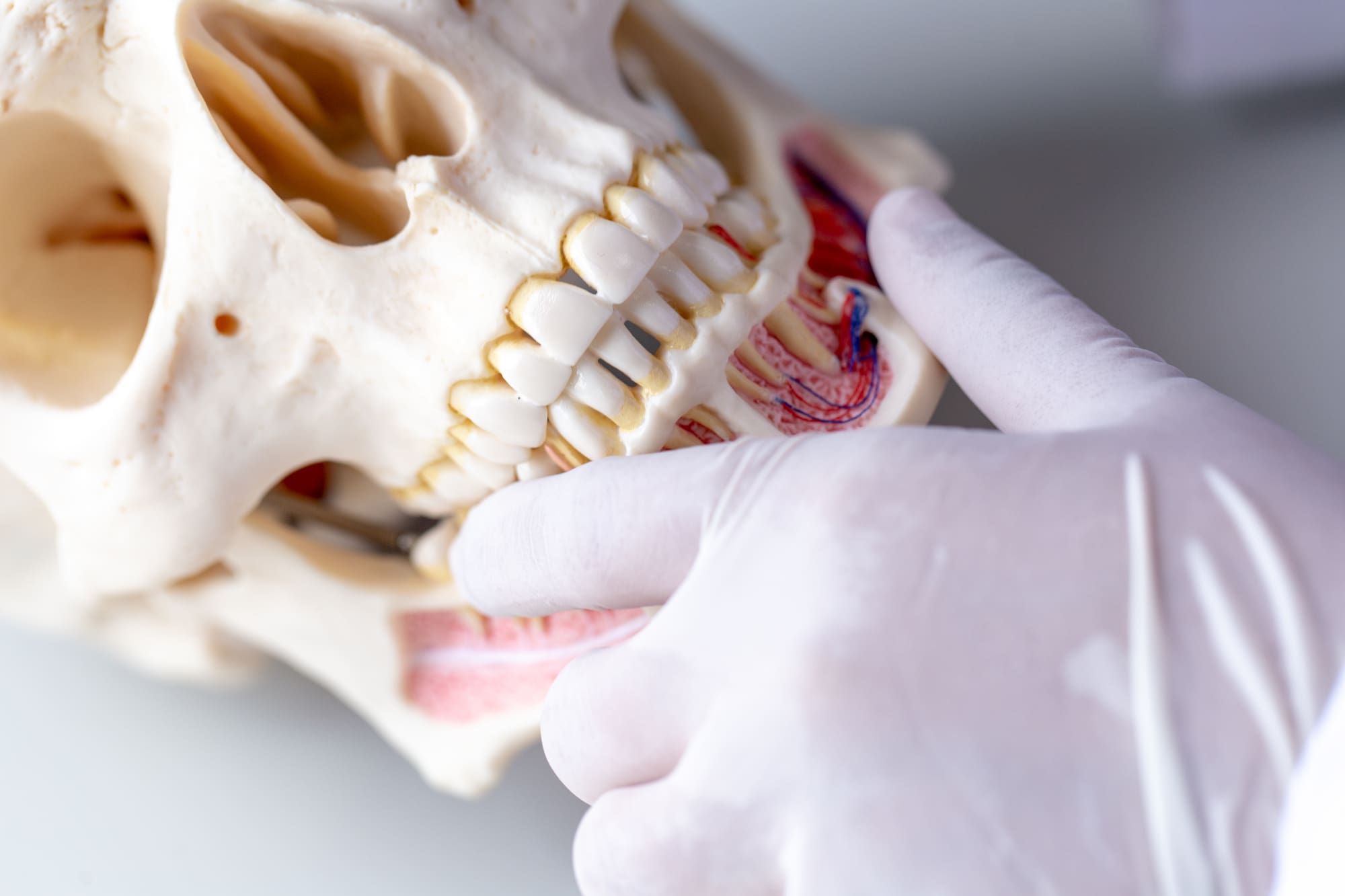
    Stone Dental Lodge

    January 12, 2025
  • Best Mouth Guard for TMJ Treatment: How to Choose the Right One

    Best Mouth Guard for TMJ Treatment: How to Choose the Right One

    Are you searching for the best mouth guard for TMJ treatment to alleviate discomfort and improve your quality of life? Understanding the various types of mouth guards available can help you make an informed decision, as each offers unique benefits tailored to different needs. By considering factors such as fit, material, and comfort, you can find a mouth guard that effectively supports your TMJ treatment journey.

    Best mouth guard for TMJ treatment

    Understanding TMJ Disorders

    Temporomandibular joint (TMJ) disorders are a group of conditions that cause pain and dysfunction in the jaw joint and the muscles controlling jaw movement. These disorders can lead to discomfort, difficulty in chewing, and even chronic pain. The best mouth guard for TMJ treatment is often sought by individuals experiencing these symptoms as a way to alleviate pressure on the jaw and reduce pain. Understanding the underlying causes of TMJ disorders, such as stress, teeth grinding, or arthritis, can be crucial in managing the condition effectively.

    For those exploring options to manage their TMJ symptoms, it’s important to consider various approaches that can complement the use of a mouth guard. While the best mouth guard for TMJ treatment can provide relief, understanding the broader context of TMJ disorders can enhance overall management strategies. Exploring resources like the Best TMJ Treatment at Home: Simple Remedies for Lasting Relief can offer additional insights into managing symptoms and improving quality of life.html

    Acupuncture Basics for TMJ

    Acupuncture is an ancient practice that has been explored as a complementary approach for managing various conditions, including temporomandibular joint (TMJ) disorders. This technique involves the insertion of thin needles into specific points on the body to promote healing and alleviate pain. While the best mouth guard for TMJ treatment is often sought after for its direct support to the jaw, acupuncture may offer an alternative method to address the discomfort associated with TMJ disorders. The practice is based on the concept of balancing the body’s energy flow, which can potentially reduce tension in the jaw muscles and improve overall well-being.

    Incorporating acupuncture into a broader TMJ management plan can provide a holistic approach to addressing symptoms. Although it does not replace the need for the best mouth guard for TMJ treatment, acupuncture might complement other therapeutic strategies by targeting stress and muscle tension. For those interested in exploring this option further, the Bozeman TMJ Clinic offers insights into various TMJ treatment modalities, including acupuncture, to help individuals find relief from their symptoms.

    Pain Relief Mechanisms

    When exploring the best mouth guard for TMJ treatment, understanding the pain relief mechanisms is crucial. These mouth guards are designed to alleviate discomfort by redistributing the pressure exerted by jaw clenching and teeth grinding, which are common symptoms of TMJ disorders. By providing a cushioning effect, they help in reducing the strain on the jaw muscles and joints, potentially minimizing inflammation and pain. Additionally, the best mouth guard for TMJ treatment can aid in promoting proper jaw alignment, which may further contribute to alleviating tension and discomfort associated with TMJ issues.

    Reducing Jaw Muscle Tension

    When dealing with TMJ disorders, one of the primary concerns is reducing jaw muscle tension, which can significantly alleviate discomfort and improve overall oral health. The best mouth guard for TMJ treatment is designed to minimize the strain on your jaw muscles by providing a comfortable barrier that prevents clenching and grinding during sleep. This reduction in tension not only helps in managing pain but also promotes better jaw alignment, contributing to a more restful night’s sleep. For those seeking further information on TMJ treatment options, Stone Dental Lodge, a trusted Bozeman Dentist, offers valuable insights into managing jaw discomfort effectively.

    Improving Jaw Mobility

    When dealing with temporomandibular joint (TMJ) disorders, improving jaw mobility is a crucial aspect of managing discomfort and enhancing overall oral health. The best mouth guard for TMJ treatment can play a significant role in this process by providing the necessary support to alleviate tension in the jaw muscles. By reducing strain and promoting relaxation, a well-designed mouth guard can help facilitate smoother jaw movements, potentially leading to improved mobility over time. This can be particularly beneficial for individuals experiencing stiffness or limited range of motion due to TMJ issues, as it may contribute to a more comfortable and functional daily life.

    Stress and TMJ Connection

    The connection between stress and Temporomandibular Joint (TMJ) disorders is a significant factor to consider when seeking the best mouth guard for TMJ treatment. Stress often leads to habits such as teeth grinding and jaw clenching, which can exacerbate TMJ symptoms. These involuntary actions put additional pressure on the jaw joint, leading to discomfort and pain. Understanding this connection is crucial for those experiencing TMJ issues, as managing stress levels can play a role in alleviating symptoms. When exploring options for the best mouth guard for TMJ treatment, it’s important to recognize how stress-induced behaviors might influence your condition and the effectiveness of the treatment.

    Acupuncture Session Expectations

    When exploring holistic approaches to managing TMJ disorders, understanding what to expect during an acupuncture session can be beneficial. Acupuncture, a traditional Chinese medicine practice, involves the insertion of thin needles into specific points on the body to promote healing and alleviate pain. During a session, a licensed acupuncturist will assess your condition and determine the appropriate points to target, aiming to reduce tension and improve overall well-being. While acupuncture is not a direct substitute for the best mouth guard for TMJ treatment, it may complement other therapeutic strategies by addressing underlying stress and muscle tension associated with TMJ disorders.

    Long-term Benefits of Acupuncture

    Exploring the long-term benefits of acupuncture can be a valuable addition to understanding holistic approaches to managing TMJ disorders. Acupuncture, an ancient practice rooted in traditional Chinese medicine, is known for its potential to alleviate chronic pain and promote overall well-being. By focusing on restoring balance within the body’s energy pathways, acupuncture may contribute to reducing the discomfort associated with TMJ disorders over time. While considering various treatment options, such as finding the best mouth guard for TMJ treatment, it’s important to recognize how complementary therapies like acupuncture might play a role in a comprehensive approach to managing symptoms and enhancing quality of life.

    Integrating Acupuncture with Other Treatments

    Exploring holistic approaches can be beneficial for those seeking relief from TMJ disorders. Integrating acupuncture with other treatments, such as using the best mouth guard for TMJ treatment, may offer a comprehensive approach to managing symptoms. Acupuncture, an ancient practice rooted in traditional Chinese medicine, is believed to help balance the body’s energy flow, potentially reducing pain and tension associated with TMJ. When combined with the best mouth guard for TMJ treatment, individuals might experience a synergistic effect that addresses both the physical and energetic aspects of their condition. This integrative approach can provide a broader perspective on managing TMJ disorders, emphasizing the importance of considering multiple modalities for optimal well-being.

    Conclusion

    Finding the best mouth guard for TMJ treatment can significantly improve your comfort and well-being; for more information, call (406) 629-2101 or check out reviews on Google Maps.

    Stone Dental Lodge

    January 12, 2025
  • Best TMJ Treatment at Home: Simple Remedies for Lasting Relief

    Best TMJ Treatment at Home: Simple Remedies for Lasting Relief

    Are you searching for the best TMJ treatment at home to find lasting relief from jaw discomfort? Exploring simple remedies can provide comfort and help manage symptoms effectively, allowing you to experience improved well-being in your daily life.

    Best TMJ Treatment at Home

    Understanding TMJ and Its Causes

    Temporomandibular Joint Disorder, commonly referred to as TMJ, is a condition that affects the jaw joint and surrounding muscles, leading to discomfort and pain. The causes of TMJ can be varied, ranging from stress-related teeth grinding to arthritis or even an injury to the jaw. Understanding these underlying causes is crucial for identifying the best TMJ treatment at home, as it allows individuals to address the root of the problem rather than just the symptoms.

    The complexity of TMJ stems from its multifactorial nature, where both physical and emotional factors can play a role. For some, TMJ may be triggered by habitual behaviors such as clenching or grinding teeth, while for others, it might be linked to structural issues within the jaw itself. Exploring these causes can provide insight into effective management strategies. For more information on managing TMJ symptoms, consider exploring TMJ Physical Therapy Exercises to Ease Jaw Pain and Stiffness.

    Best TMJ Treatment at Home

    Exploring natural ways to ease discomfort can be a beneficial approach for those seeking relief from TMJ symptoms. Many individuals find that incorporating gentle practices into their daily routine can help alleviate tension and promote relaxation. These methods often focus on reducing stress and encouraging a sense of well-being, which can be crucial in managing the discomfort associated with TMJ disorders.

    In addition to these natural approaches, understanding the importance of a balanced lifestyle can play a significant role in managing TMJ symptoms. By fostering an environment that supports overall health, individuals may experience a reduction in the frequency and intensity of their discomfort. For those interested in learning more about professional options alongside the best TMJ treatment at home, consider exploring our TMJ Treatment Bozeman page for additional insights.

    Relaxation Techniques for Jaw Relief

    Finding relief from TMJ discomfort can often begin with simple relaxation techniques that help ease tension in the jaw muscles. These techniques focus on promoting a state of calmness and reducing stress, which can contribute to jaw pain. By incorporating practices that encourage relaxation, individuals may experience a soothing effect on their jaw area, potentially alleviating some of the discomfort associated with TMJ disorders. Emphasizing relaxation can be a gentle approach to managing jaw tension, offering a sense of relief and comfort in everyday life.

    Gentle Exercises for Jaw Mobility

    In the quest for the best TMJ treatment at home, incorporating gentle exercises for jaw mobility can be a beneficial approach to alleviate discomfort and improve function. These exercises focus on enhancing the range of motion in the jaw, which may help in reducing tension and promoting relaxation in the surrounding muscles. By regularly engaging in these movements, individuals might experience a gradual improvement in their jaw’s flexibility and overall comfort. For those seeking professional guidance, Stone Dental Lodge, a trusted Bozeman Dentist, is available to provide further insights into managing TMJ concerns.

    Stress Reduction and Jaw Health

    Managing stress effectively plays a crucial role in maintaining jaw health, especially for those seeking the best TMJ treatment at home. Stress often leads to muscle tension, which can exacerbate TMJ symptoms, making it essential to focus on relaxation techniques that promote overall well-being. By fostering a calm environment and adopting practices that encourage relaxation, individuals may experience a reduction in jaw discomfort. Prioritizing stress reduction not only supports mental health but also contributes to the physical relief of TMJ-related issues, offering a holistic approach to managing symptoms at home.

    Importance of Jaw Rest and Care

    Understanding the importance of jaw rest and care is crucial when considering the best TMJ treatment at home. Allowing your jaw to rest can significantly alleviate the discomfort associated with TMJ disorders. By minimizing unnecessary movement and strain, you create an environment that supports natural healing processes. This approach not only helps in reducing pain but also in preventing further aggravation of the condition. Emphasizing jaw rest as part of your home care routine can contribute to lasting relief, making it an essential component of managing TMJ symptoms effectively.

    Nutrition’s Role in Jaw Wellness

    When exploring the best TMJ treatment at home, it’s essential to consider the impact of nutrition on jaw wellness. A balanced diet can play a significant role in maintaining overall joint health, including the temporomandibular joint. Consuming a variety of nutrients supports muscle function and reduces inflammation, which can be beneficial for those experiencing TMJ discomfort. By focusing on a nutritious diet, individuals may find that their jaw health improves, contributing to a more comfortable and pain-free experience.

    Breathing Practices for Jaw Relaxation

    In the quest for the best TMJ treatment at home, incorporating breathing practices can play a significant role in promoting jaw relaxation. Focusing on deep, mindful breathing can help alleviate tension in the jaw muscles, which is often a contributing factor to TMJ discomfort. By engaging in regular breathing exercises, individuals may experience a sense of calm and relaxation that extends to the jaw area, potentially reducing the frequency and intensity of TMJ symptoms. This natural approach to managing jaw tension emphasizes the connection between breath and muscle relaxation, offering a simple yet effective way to support overall jaw health.

    Lifestyle Adjustments for Jaw Comfort

    When exploring the best TMJ treatment at home, considering lifestyle adjustments can play a crucial role in achieving jaw comfort. Simple changes in daily habits may contribute to alleviating discomfort associated with TMJ disorders. By being mindful of activities that involve the jaw, individuals might find a path to relief that complements other home-based remedies. Emphasizing relaxation and reducing stress can also be beneficial, as tension often exacerbates TMJ symptoms. These lifestyle considerations, when integrated into daily routines, may support overall jaw health and enhance the effectiveness of other home treatments.

    Conclusion

    Discovering the best TMJ treatment at home can lead to lasting relief, and for more information or assistance, call (406) 629-2101 or check out our Google Maps reviews.

    Stone Dental Lodge

    January 12, 2025
  • TMJ Physical Therapy Exercises to Ease Jaw Pain and Stiffness

    TMJ Physical Therapy Exercises to Ease Jaw Pain and Stiffness

    Are you curious about how TMJ physical therapy exercises can help ease jaw pain and stiffness? TMJ physical therapy exercises are designed to improve jaw mobility and reduce discomfort by targeting the muscles and joints involved. By incorporating these exercises, individuals may experience relief from the symptoms associated with temporomandibular joint disorders.

    TMJ Physical Therapy Exercises

    Understanding TMJ and Jaw Anatomy

    The temporomandibular joint (TMJ) is a complex structure that connects your jawbone to your skull, playing a crucial role in daily activities such as speaking, chewing, and yawning. Understanding the anatomy of the TMJ is essential for recognizing how TMJ physical therapy exercises can help alleviate discomfort. The joint is supported by muscles, ligaments, and a disc that acts as a cushion, allowing smooth movement. When any of these components are compromised, it can lead to pain and stiffness, making it difficult to perform even simple tasks.

    The intricate nature of the TMJ means that any imbalance or stress can result in significant discomfort. By gaining a basic understanding of how the jaw functions, individuals can better appreciate the importance of targeted TMJ physical therapy exercises in managing symptoms. For those seeking more comprehensive approaches to managing jaw pain, exploring Natural TMJ Treatment Options for a Pain-Free Life can provide additional insights into holistic care strategies.

    Benefits of Jaw Mobility Exercises

    Jaw mobility exercises play a crucial role in enhancing the flexibility and function of the temporomandibular joint (TMJ). By regularly engaging in these exercises, individuals may experience a reduction in jaw pain and stiffness, which are common symptoms associated with TMJ disorders. Improved jaw mobility can lead to better overall oral health, as it facilitates smoother movement during activities such as speaking, chewing, and yawning. This can contribute to a more comfortable and efficient daily routine, minimizing discomfort and enhancing quality of life.

    Additionally, maintaining good jaw mobility can help prevent the progression of TMJ-related issues. When the jaw is able to move freely and without restriction, it reduces the likelihood of developing further complications that can arise from prolonged stiffness or misalignment. This proactive approach to jaw health can be beneficial for anyone experiencing TMJ discomfort. For those seeking more information on managing TMJ symptoms, exploring resources like Bozeman TMJ Relief can provide valuable insights.

    Gentle Stretching for Jaw Muscles

    Incorporating gentle stretching into your routine can be an effective component of TMJ physical therapy exercises, helping to alleviate jaw pain and stiffness. These exercises focus on gradually increasing the flexibility and range of motion in the jaw muscles, which can contribute to reducing discomfort associated with temporomandibular joint disorders. By engaging in these gentle movements, individuals may experience a sense of relief as the tension in the jaw muscles is eased, promoting a more relaxed and comfortable state.

    Relaxation Techniques for Jaw Tension

    Incorporating relaxation techniques into your routine can be a beneficial component of TMJ physical therapy exercises, helping to alleviate jaw pain and stiffness. These techniques focus on reducing tension in the jaw muscles, which can often contribute to discomfort and limited mobility. By practicing mindful breathing and gentle muscle relaxation, individuals may experience a decrease in stress-related jaw clenching, promoting a more relaxed state. This approach not only aids in easing immediate symptoms but also supports overall well-being by encouraging a calm and balanced mind-body connection. For those seeking further guidance on maintaining oral health, Stone Dental Lodge, a trusted Bozeman Dentist, offers comprehensive care and support.

    Strengthening Exercises for Jaw Stability

    Incorporating strengthening exercises into your routine can play a crucial role in enhancing jaw stability, which is often a key focus in TMJ physical therapy exercises. These exercises aim to fortify the muscles surrounding the temporomandibular joint, potentially reducing discomfort and improving function. By engaging in targeted movements, individuals may experience increased support for the jaw, contributing to overall joint health. Strengthening exercises are designed to work in harmony with other therapeutic practices, offering a holistic approach to managing jaw pain and stiffness associated with TMJ disorders.

    Breathing Exercises to Reduce Stress

    Incorporating breathing exercises into your routine can be a beneficial component of TMJ physical therapy exercises. These exercises focus on reducing stress, which is often a contributing factor to jaw pain and stiffness. By practicing deep, mindful breathing, individuals may experience a calming effect that can help alleviate tension in the jaw muscles. This relaxation response can complement other TMJ physical therapy exercises, potentially leading to improved comfort and mobility in the jaw area.

    Posture Awareness and Jaw Alignment

    Understanding the connection between posture awareness and jaw alignment is crucial when considering TMJ physical therapy exercises. Proper posture plays a significant role in maintaining the natural alignment of the jaw, which can help alleviate discomfort associated with TMJ disorders. When the body is aligned correctly, it reduces unnecessary strain on the jaw muscles and joints, potentially easing pain and stiffness. By focusing on maintaining an upright posture, individuals may experience improved jaw function and reduced symptoms, making posture awareness an integral aspect of TMJ physical therapy exercises.

    Importance of Consistent Exercise Routine

    Establishing a consistent exercise routine is crucial when engaging in TMJ physical therapy exercises to alleviate jaw pain and stiffness. Regular practice helps in gradually improving the flexibility and strength of the jaw muscles, which can lead to a reduction in discomfort over time. By maintaining a steady schedule, individuals may experience enhanced mobility and a decrease in the frequency of TMJ-related symptoms. Consistency in performing these exercises can contribute to long-term relief and support overall jaw health, making it an essential component of managing TMJ disorders effectively.

    Monitoring Progress and Adjustments

    When engaging in TMJ physical therapy exercises, it’s important to be mindful of how your body responds over time. Observing any changes in jaw pain and stiffness can provide valuable insights into the effectiveness of the exercises. Regularly assessing your progress allows for necessary adjustments to ensure that the exercises continue to meet your needs. This ongoing evaluation helps in understanding the impact of TMJ physical therapy exercises on your overall jaw health, promoting a more personalized approach to managing discomfort.

    Conclusion

    Incorporating TMJ physical therapy exercises into your routine can help alleviate jaw pain and stiffness; for more information, call (406) 629-2101 or check out our Google Maps reviews.

    Stone Dental Lodge

    January 12, 2025
  • Natural TMJ Treatment Options for a Pain-Free Life

    Natural TMJ Treatment Options for a Pain-Free Life

    Are you seeking natural TMJ treatment options for a pain-free life? Exploring various natural TMJ treatment options can provide relief and improve your quality of life by addressing the root causes of discomfort. Understanding these options may help alleviate symptoms and promote overall well-being.

    Natural TMJ Treatment Options

    Understanding TMJ and its causes is crucial for those seeking relief from the discomfort associated with this condition. The temporomandibular joint (TMJ) connects the jawbone to the skull, and when it functions improperly, it can lead to pain and restricted movement. Various factors contribute to TMJ disorders, including stress, teeth grinding, arthritis, and jaw injuries. Recognizing these underlying causes is essential for exploring natural TMJ treatment options that aim to alleviate symptoms without invasive procedures.

    The complexity of TMJ disorders means that a comprehensive understanding of its causes can guide individuals toward more effective management strategies. By identifying the root causes, individuals can explore a range of natural TMJ treatment options that focus on addressing the source of discomfort. For those interested in learning more about non-invasive approaches, the article on TMJ Pain Relief Without Surgery: Effective Non-Invasive Solutions provides valuable insights into managing TMJ pain without resorting to surgical interventions.

    Importance of Jaw Relaxation

    Jaw relaxation plays a crucial role in managing the discomfort associated with temporomandibular joint (TMJ) disorders. When the jaw muscles are tense, it can exacerbate pain and lead to further complications. Natural TMJ treatment options often emphasize the significance of reducing tension in the jaw to alleviate symptoms and promote overall well-being. By focusing on relaxation, individuals may experience a decrease in pain and an improvement in their quality of life.

    Understanding the importance of jaw relaxation can be a key component in exploring various natural TMJ treatment options. Relaxed jaw muscles can contribute to a more balanced and harmonious function of the jaw, potentially reducing the frequency and intensity of TMJ-related issues. For those seeking professional guidance, exploring TMJ Therapy in Bozeman can provide valuable insights into effective management strategies.

    Role of Stress in TMJ Pain

    Stress is a significant factor that can exacerbate the symptoms of temporomandibular joint (TMJ) disorders, leading to increased discomfort and pain. When stress levels rise, individuals may unconsciously clench their jaw or grind their teeth, actions that put additional strain on the TMJ. This can result in muscle tension, inflammation, and a cycle of pain that becomes difficult to break. Understanding the connection between stress and TMJ pain is crucial for those exploring natural TMJ treatment options. By recognizing how stress impacts the jaw, individuals can better appreciate the importance of holistic approaches that address both physical and emotional well-being in managing TMJ disorders.

    Benefits of Proper Posture

    Maintaining proper posture is a crucial aspect of natural TMJ treatment options, as it can significantly alleviate discomfort and promote a pain-free life. Good posture helps in aligning the spine and jaw, reducing unnecessary strain on the temporomandibular joint. This alignment can lead to a decrease in muscle tension and stress, which are often contributors to TMJ pain. By fostering an environment where the body functions optimally, proper posture supports overall well-being and enhances the effectiveness of natural TMJ treatment options. For those seeking further guidance, Stone Dental Lodge, a trusted Bozeman Dentist, is a valuable resource.

    Impact of Diet on TMJ Health

    The impact of diet on TMJ health is a crucial aspect to consider when exploring natural TMJ treatment options. A balanced diet can play a significant role in managing the symptoms associated with temporomandibular joint disorders. Certain foods may contribute to inflammation and discomfort, while others might support joint health and reduce pain. Understanding the relationship between what you eat and how it affects your TMJ can be an essential part of a holistic approach to achieving a pain-free life. By focusing on dietary choices, individuals may find that they can influence their TMJ health naturally, complementing other treatment strategies.

    Exercises for Jaw Mobility

    In the realm of natural TMJ treatment options, exercises for jaw mobility play a crucial role in promoting a pain-free life. These exercises are designed to enhance the flexibility and movement of the jaw, which can be beneficial for individuals experiencing discomfort due to temporomandibular joint disorders. By focusing on gentle movements and stretches, these exercises aim to improve the range of motion and reduce tension in the jaw area. Incorporating such exercises into a daily routine may contribute to overall jaw health and complement other natural TMJ treatment options, fostering a more comfortable and functional jaw experience.

    Breathing Techniques for Relaxation

    In the realm of natural TMJ treatment options, breathing techniques for relaxation play a significant role in promoting a pain-free life. These techniques focus on harnessing the power of mindful breathing to alleviate tension and stress, which are often contributors to TMJ discomfort. By engaging in controlled breathing exercises, individuals can experience a sense of calm and relaxation that may help in reducing the intensity of TMJ symptoms. The practice of deep, rhythmic breathing encourages the body to enter a state of relaxation, potentially easing muscle tension around the jaw and contributing to overall well-being. As part of a holistic approach, these breathing techniques can be an integral component of natural TMJ treatment options, offering a non-invasive way to support jaw health and enhance quality of life.

    Sleep Positions and TMJ Relief

    Exploring natural TMJ treatment options can lead to a more comfortable and pain-free life, especially when considering the impact of sleep positions on TMJ relief. The way you position your head and jaw during sleep can influence the tension and stress placed on the temporomandibular joint, potentially affecting discomfort levels. Understanding the relationship between sleep posture and TMJ health is an essential aspect of managing symptoms naturally. By being mindful of how different sleep positions may contribute to jaw alignment and muscle relaxation, individuals can explore various natural TMJ treatment options that align with their lifestyle and comfort preferences.

    Mindfulness Practices for Pain Management

    In the realm of natural TMJ treatment options, mindfulness practices have emerged as a valuable approach for managing pain and enhancing overall well-being. By fostering a heightened awareness of the present moment, mindfulness can help individuals cultivate a sense of calm and relaxation, which may contribute to alleviating discomfort associated with TMJ disorders. This practice encourages a deeper connection between the mind and body, potentially reducing stress and tension that can exacerbate TMJ symptoms. As part of a holistic approach to managing TMJ pain, mindfulness practices offer a gentle and non-invasive way to support a pain-free life.

    Conclusion

    Exploring natural TMJ treatment options can lead to a pain-free life; for more information, call (406) 629-2101 or check out the reviews on Google Maps.

    Stone Dental Lodge

    January 12, 2025

Stone Dental Lodge

Proudly making smiles brighter in the Bozeman.

Book online

Contact

1450 Twin Lakes Ave Suite 101 Bozeman, MT 59718

stonedentallodge@gmail.com

(406) 944-9444

Services

  • Family Dentistry

  • Cosmetic Dentistry

  • Restorative Dentistry

  • Emergency Dentistry

Hours

Monday: Closed
Tuesday: 8 AM–5 PM
Wednesday: 8 AM–5 PM
Thursday: 8 AM–5 PM
Friday: 8 AM–5 PM
Saturday: Closed
Sunday: Closed

© 2026 Stone Dental Lodge. Privacy Policy